


Mold Laser Quenching Repair Processing Technology
Contact Info
- Add:西安市国家民用航天产业基地航天基地299号西安建工科技创业基地十号楼4层, Zip:
- Contact: 段纯
- Tel:17392761868
- Email:gsjgkj@163.com
Other Products


Mold laser quenching repair processing technology, as a significant technological innovation in modern manufacturing, is playing an increasingly important role in the field of mold repair and maintenance due to its unique advantages.
I. Principles of Mold Laser Quenching Repair Processing
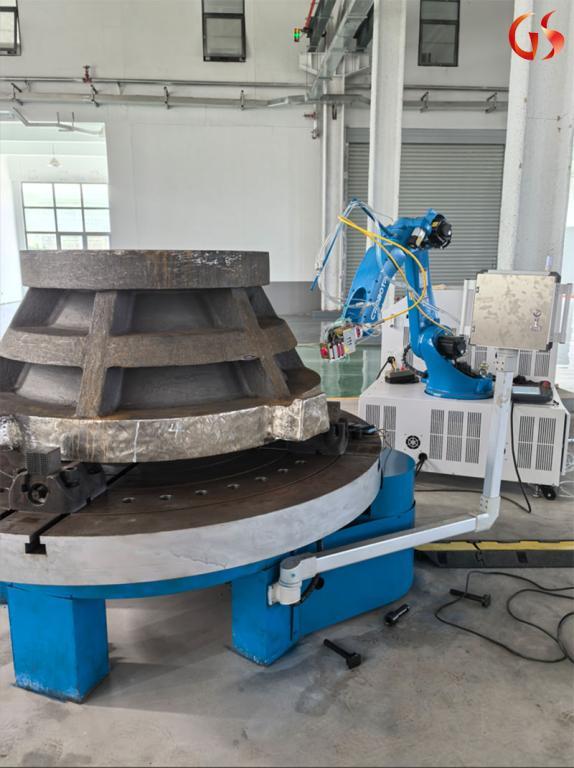
Mold laser quenching repair processing is a surface heat treatment process based on laser technology. It utilizes a high-energy-density laser beam to rapidly scan the mold surface, causing the irradiated material surface to quickly heat up to a temperature range above the phase transformation point but below the melting point. After the laser beam moves away from the irradiated area, the cold substrate rapidly cools due to heat conduction, achieving phase transformation hardening on the workpiece surface. During this process, the precise control and rapid heating and cooling characteristics of the laser beam cause significant changes in the microstructure of the mold surface, forming a high-hardness, wear-resistant martensitic structure.
II. Characteristics of Mold Laser Quenching Repair Processing
1. High Precision and Localized Treatment: Laser quenching technology enables precise localized treatment of the mold surface. Due to the focusing characteristics of the laser beam, energy can be accurately concentrated on the areas requiring hardening without significantly affecting other parts of the mold. This feature makes mold laser quenching repair processing particularly suitable for precise quenching of molds with complex shapes.
2. Minimal Deformation: During the laser quenching process, the extremely fast heating and cooling rates confine the heat-affected zone to a very small area. As a result, the deformation of the mold during quenching is minimal, helping to maintain its precision and stability.
3. Efficiency and Environmental Friendliness: Laser quenching technology is highly efficient and environmentally friendly. The rapid scanning of the laser beam allows the quenching process to be completed in a very short time, significantly improving production efficiency. Additionally, laser quenching is a self-quenching process that does not require cooling media such as water or oil, contributing to environmental protection.
4. Significant Improvement in Surface Properties: The surface of molds treated with laser quenching shows significant improvements in hardness, wear resistance, and fatigue strength. This helps extend the service life of molds and enhances production efficiency.
5. Process Flexibility and Automation: Laser quenching technology offers high process flexibility. It can be adjusted and optimized based on the material and shape of the mold. Moreover, laser processing equipment is often equipped with CNC systems, facilitating automated production and ensuring the precision and stability of laser processing.
III. Applications of Mold Laser Quenching Repair Processing
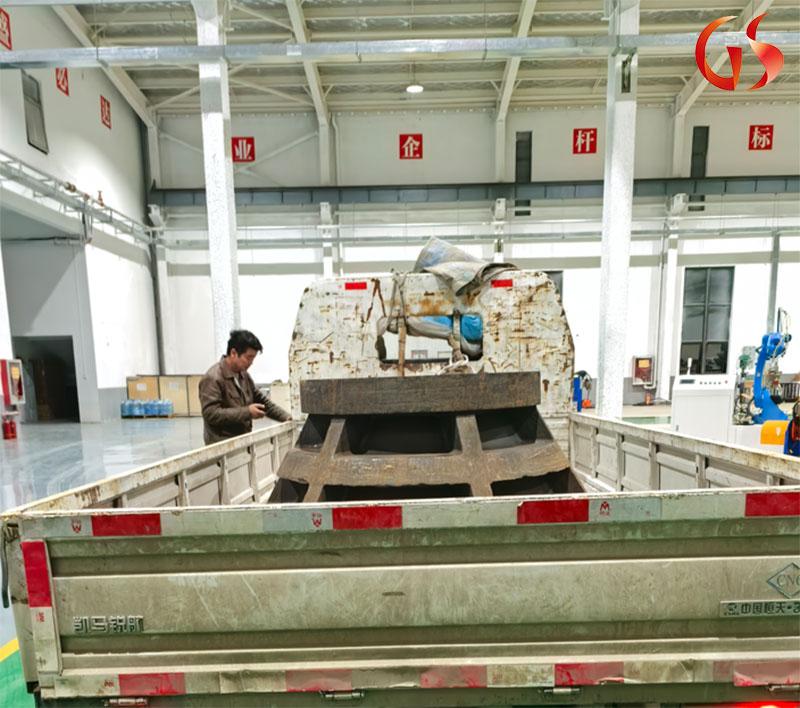
Mold laser quenching repair processing technology has broad applications in the field of mold manufacturing and maintenance. It can be used not only for surface strengthening of new molds but also for the repair and remanufacturing of old molds. Below are some specific application scenarios:
1. Mold Surface Strengthening: During the manufacturing of new molds, laser quenching technology can be applied to strengthen key areas of the mold surface, improving hardness and wear resistance, thereby extending the mold's service life.
2. Mold Crack Repair: For molds with cracks and wear caused by long-term use, laser cladding technology can be used for repair. The laser cladding layer has a fine and dense structure, effectively filling cracks and restoring the mold's original performance.
3. Hardening of Complex Mold Areas: For complex mold areas such as grooves, small holes, and deep holes, traditional quenching methods often struggle to achieve ideal hardening results. Laser quenching technology, with its high precision and localized treatment capabilities, enables precise hardening of these areas.
4. Mold Remanufacturing: For molds that are scrapped or severely worn, laser quenching and cladding technologies can be used for remanufacturing. This not only saves manufacturing costs but also reduces resource waste and environmental pollution.
IV. Future Development Trends of Mold Laser Quenching Repair Processing
With the continuous development of the manufacturing industry and technological advancements, mold laser quenching repair processing technology will embrace broader prospects. Below are some potential future trends:
1. Technology Integration and Innovation: In the future, mold laser quenching repair processing technology will integrate and innovate with other advanced technologies. For example, combining additive manufacturing (3D printing) for rapid mold repair and remanufacturing, and using artificial intelligence and big data to optimize laser quenching process parameters.
2. Environmental Protection and Sustainable Development: As global attention to environmental protection and sustainable development grows, mold laser quenching repair processing technology will place greater emphasis on eco-friendliness and energy efficiency. This includes developing more efficient lasers and cooling systems, as well as optimizing process parameters to reduce energy consumption and waste emissions.
3. Intelligence and Automation: In the future, mold laser quenching repair processing equipment will become more intelligent and automated. For example, integrating sensors and intelligent control systems for real-time monitoring and control, and using robots and automated equipment for mold loading, unloading, and processing operations.
4. Customization and Personalized Services: As market demands evolve and consumers seek personalized products, mold laser quenching repair processing technology will focus more on customization and personalized services. This includes tailored design and processing based on specific customer needs and mold conditions, as well as providing end-to-end services from mold design and manufacturing to maintenance and remanufacturing.
In summary, mold laser quenching repair processing technology plays a crucial role in mold manufacturing and maintenance due to its high precision, localized treatment, minimal deformation, efficiency, and environmental friendliness. With ongoing technological advancements and changing market demands, this technology will continue to evolve. In the future, we can expect to see more innovative applications and trends toward intelligence and automation, injecting new vitality into the high-quality development of the mold manufacturing industry.
| Industry Category | Others |
|---|---|
| Product Category | |
| Brand: | 国盛激光 |
| Spec: | |
| Manufacturer: | 国盛激光 |
| Origin: | 116101 |


